_w=1366_h=928_pjpg.jpg?v=202405071552)
Why Visit Umbria?

Umbria is a region that makes its character clear as soon as you start exploring: medieval towns, working farmland and a landscape that hasn’t changed much in decades. Walking through places like Assisi, Spello or Gubbio, you see everyday life happening around you, people stopping in the piazza, small shops selling local produce, and churches that are part of the daily routine rather than just historic landmarks. The towns are compact and straightforward to navigate, with plenty of places to stop for a coffee, a pastry or a simple lunch.
As you travel through the region, the scenery shifts between vineyards, olive groves, wooded hills and open valleys. Lake Trasimeno adds a different element, with small lakeside towns, ferries to the islands and opportunities for swimming or easy walks along the shoreline. Distances are short, and it’s easy to move between towns without needing to plan too much.
Food is a major part of the experience, and most dishes come directly from the surrounding countryside. Truffles, pecorino, lentils, seasonal vegetables and olive oil appear everywhere, from family‑run trattorias to small bakeries and market stalls. It’s a region where you can eat well without making a big effort, and where local ingredients shape almost every meal.
Culturally, Umbria offers a lot in a relatively small area. There are Etruscan and Roman remains, medieval fortresses, Renaissance frescoes and museums that are easy to visit without crowds. For those who want to be active, the region works well for cycling, trekking and gentle walks between towns. Combined, these elements make Umbria feel accessible, varied and full of places worth stopping for.
As our Destination Expert, Daniela Giulia Ross, says: “Umbria offers a rich history with its Etruscan and Roman remains, beautiful landscapes around Lake Trasimeno, and activities like water sports, cycling, and trekking.”
To explore Umbria in more detail, including the best time to visit, how to get there, cultural highlights, food, wine and places to stay, explore our Guide to Umbria and plan a stay that suits you.
When is the Best Time to Visit Umbria?

Summer, between June and early September, is when Umbria feels most energetic and perfectly suited to villa holidays. Days are consistently warm, often reaching the high 20s and low 30s, and the weather is stable enough to plan pool days, outdoor meals and day trips with confidence. Towns such as Assisi, Spoleto, Perugia and Todi stay lively well into the evening, with open‑air concerts, local festivals and neighbourhood events filling the season. Lake Trasimeno is at its most active, with ferries running to the islands, lakeside cafés open throughout the day and plenty of opportunities for swimming, paddleboarding and gentle water sports. The countryside takes on its familiar summer palette of golden hillsides and clear valley views, and driving between towns is easy, with quiet rural roads and short distances. Restaurants extend their hours, markets overflow with seasonal produce and wineries often host tastings throughout the week.
Outside the summer months, Umbria shifts into a quieter, more contemplative rhythm. Spring and autumn bring mild temperatures ideal for walking, sightseeing and long lunches in hilltop towns, while the landscape turns lush and green in spring and warm and earthy in autumn. Cultural sites are calmer, local life feels more intimate and food festivals, truffle hunts and harvest events offer a deeper connection to the region. Even in winter, Umbria retains its charm, with crisp days, peaceful medieval streets and cosy trattorias serving hearty regional dishes. It’s a season for slow travel, scenic drives and discovering the region’s quieter beauty.
Getting to Umbria & Getting Around

Reaching Umbria is straightforward, with good air, rail and road connections from across Italy and Europe. Most visitors arrive by air via Rome or Perugia, then continue into the region by car or train. Perugia’s airport is small but convenient for direct access, while Rome’s airports offer the widest choice of international flights and frequent onward transport links.
Airports
Umbria’s main airport, located between Perugia and Assisi. It’s compact and easy to navigate, with a small but growing number of European routes. It works well for travellers heading to central and northern Umbria, including Lake Trasimeno, Assisi, Spello and Gubbio. Fiumicino offers extensive long‑haul and European connections, while Ciampino handles mainly low‑cost carriers. From either airport, the drive into southern Umbria (Orvieto, Todi, Spoleto) typically takes 1.5–2 hours.
Train Travel
Orvieto sits on the main high‑speed line between Rome and Florence, making it one of the quickest entry points into the region. Local trains are slower but reliable, and stations are usually close to historic centres.
Car Hire
For most villa guests, hiring a car is the most practical way to explore Umbria. Public transport works well for major towns, but a car makes it far easier to reach smaller villages, rural restaurants, wineries and countryside viewpoints. Roads are generally straightforward, distances are short, and driving is calm compared to many other Italian regions. Cars can be collected at Perugia Airport, Rome’s airports or major towns such as Perugia and Foligno. Booking in advance ensures availability, especially in summer.
Getting around without a car
Public transport is available, though it requires more planning. According to Walks of Italy, buses link many smaller towns, but timetables can be limited outside peak hours and on weekends. Trains are reliable for moving between larger centres such as Perugia, Assisi, Spoleto and Foligno. Taxis are available but less common in rural areas, so pre‑booking is recommended.
Culture & History in Umbria

Umbria’s history is long, layered and easy to see as you move through the region. Before the Romans, the Etruscans shaped much of central Umbria, leaving behind tombs, city walls and archaeological sites that still define towns such as Perugia, Orvieto and Todi. The Romans expanded on this foundation, building roads, theatres, aqueducts and hilltop settlements that remain visible today. Over the centuries, medieval rulers, religious orders and Renaissance artists added further layers, creating a region where different periods sit side by side in a way that feels natural rather than curated.
If you want to break up villa time with a day of exploring, many of Umbria’s most significant historic sites are easy to reach by road. Orvieto is one of the clearest examples of the region’s Etruscan past, with underground tunnels, wells and tombs carved directly into the tufa rock. Perugia’s Etruscan city gate and the remains of its ancient walls give a strong sense of the region’s early urban life. Roman history is equally visible: Spoleto’s Roman theatre, the Ponte delle Torri (a later medieval structure built on Roman foundations) and the well‑preserved remains in Bevagna all offer straightforward, rewarding visits.
Medieval and Renaissance culture are central to Umbria’s identity. Assisi is the most recognisable example, with the Basilica of St Francis and its cycle of frescoes by Giotto and Cimabue — some of the most important works of medieval art in Italy. Towns such as Gubbio, Spello and Montefalco retain their original street plans, stone houses and central piazzas, giving a clear picture of how Umbrian towns developed over time. Many churches and civic buildings contain frescoes, altarpieces and decorative details that reflect the region’s long artistic tradition.
Umbria’s cultural landscape extends beyond its towns. Monasteries, hermitages and rural sanctuaries are scattered across the countryside, often in quiet, wooded settings. The Abbey of Montecassino (just outside the region), the hermitage of the Carceri near Assisi and the Abbey of San Pietro in Valle near Ferentillo are all examples of how religious life shaped the landscape. In neighbouring Lazio, sites such as the Etruscan tombs around Tarquinia and Cerveteri, Hadrian’s Villa at Tivoli and the monasteries at Subiaco add further depth for travellers combining the two regions.
Food & Drink in Umbria

Umbria’s food culture is shaped by its landscape and long agricultural traditions. Most dishes rely on a small number of high‑quality local ingredients, and you’ll see the same staples appear across the region: truffles, lentils, pecorino, olive oil and cured meats. Norcia is especially well known for its black truffles and charcuterie, while Castelluccio’s lentils and the farro grown in the surrounding hills remain central to many everyday recipes. Olive oil is another key part of Umbrian cooking, and many towns have small mills where you can taste and buy directly from producers.
Eating out, menus tend to focus on straightforward regional dishes, handmade pasta with truffle, grilled meats, soups made with legumes or farro, and vegetable sides that change with the season. Portions are generous, flavours are simple, and most restaurants lean heavily on produce sourced from nearby farms. Wine is an important part of the region’s identity too: Sagrantino di Montefalco is the standout local red, while Montefalco Rosso and Orvieto Classico are widely available and pair naturally with Umbrian cooking.
Markets are an easy way to experience the region’s food culture. Perugia, Spoleto and Foligno all host regular markets selling cheeses, salumi, vegetables, bread and pastries, ideal for stocking up your villa kitchen. Perugia’s Eurochocolate Festival in October is one of Umbria’s biggest food events, drawing producers from across Italy and offering tastings, demonstrations and plenty of local specialities.
Where to Stay: Our Villas in Umbria

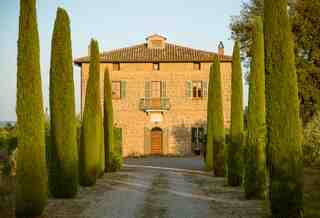
Our Umbria villas are set across two key areas, giving you flexibility depending on the kind of holiday you want. Around Orvieto, Todi and Northern Lazio, the focus is on quiet countryside, hilltop towns and strong food traditions, with easy day trips to Etruscan sites and lakes just over the regional border. Along the Umbria-Tuscany border, you’ll find classic rural scenery, art‑rich towns and straightforward access to Perugia, as well as walking routes and lakes within a short drive. Both areas offer a mix of culture, landscape and relaxed villa living, making it simple to shape a stay that suits your pace.
Here are a few suggestions to inspire your search:
- Casale del Sole – Very tranquil, super-stylish and enjoying a typically timeless rural setting, this luxury villa in Umbria offers undisturbed escapism, within easy reach of fascinating towns and cities.
- Vergiliano di Sopra – Atop a hill between Umbria and Tuscany, this renovated farmhouse boasts panoramic Apennine views that have been untouched for centuries. Surrounded by timeless landscapes, it's a perfect retreat for nature lovers.
- Il Molinazzo - A fabulous choice for a family gathering or group of friends, this is a spacious and very comfortable luxury villa in Umbria, with several al fresco terraces with countryside views, and a private pool and tennis court and table tennis within its grounds.
To find out more about Umbria, make sure to speak with one of our Villa Specialists or make an enquiry today.
 Chat on Whatsapp